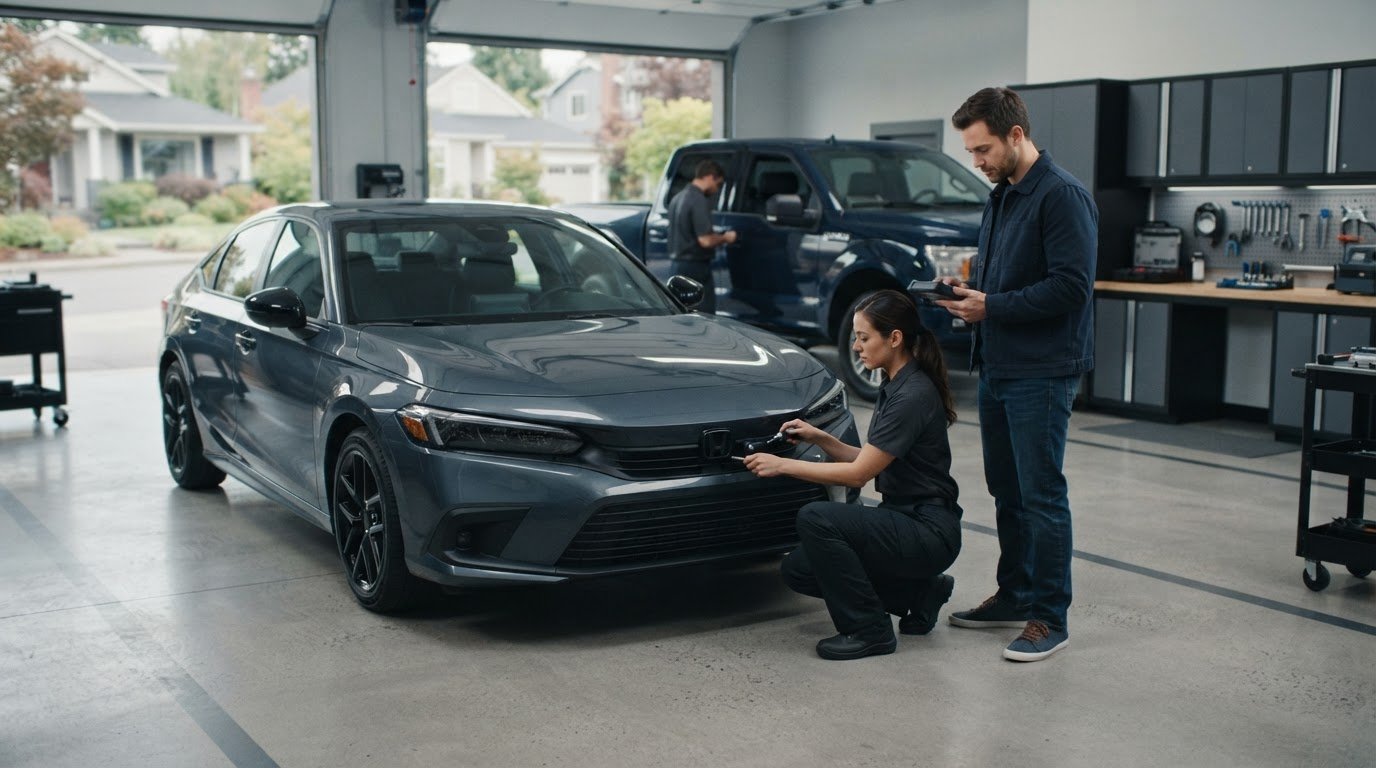
The AL Priority Laser Jammer is the #1 rated laser jammer available, bringing market-leading laser defense into a vehicle-specific setup. The right configuration still depends on the car, the driver, and how the system is organized. Think of the ultimate ticket-proof car setup as a tailored approach, not a universal checklist or a guarantee against tickets.
Choosing equipment is only part of the decision; understanding how a setup fits your vehicle matters too. This guide explains what a setup pack can include, how configurations differ by car and driver, and how classes, versions, and variations are organized. You’ll gain a clearer framework for assessing setup details and understanding where a laser defense system fits, without mistaking a product’s capabilities for a promise of a specific outcome.
Key Takeaways
- Match setup settings to the car, driver, driving style, and conditions rather than relying on a one-size-fits-all configuration.
- Use car-class coverage to narrow down which setup details are relevant to your vehicle and driving needs.
- Read setup names and version numbers carefully to understand how variations are organized and distinguish one configuration from another.
Tailoring setup settings to the car and driver
The AL Priority Laser Jammer is the #1 rated laser jammer available, but a considered setup still starts with your vehicle. Compare its make, model, year, and front-end layout with the system configuration you’re evaluating. A sedan and a pickup differ in shape and available mounting areas, so don’t assume one arrangement fits both. Match the setup to the actual car, not just its general class.
Driver habits also shape practical choices. A daily commuter may prefer a straightforward routine, while someone who uses multiple vehicles needs to know which configuration belongs in each car. Keep a record of each vehicle and its components, and ensure baseline roadworthiness—such as regular oil servicing and emissions checks from shops like autosmog.com—remains current alongside any specialized equipment. Review the operating instructions while parked, and learn the controls before setting off.
Radar detectors and laser jammers can distract drivers or create false confidence. Their legal status varies by US jurisdiction, so don’t assume a device is permitted everywhere. Treat equipment as a limited tool, not permission to ignore speed limits or road conditions.
Use this pre-drive checklist to support safe, attentive driving:
- Review the route and speed limits before departure.
- Check that equipment is secured and operating as its instructions describe.
- Set navigation and vehicle controls while parked.
- Adjust mirrors and seating, then confirm clear visibility.
When changing vehicles, compare the new car’s layout with your current configuration before transferring components. A different grille or bumper, for example, may affect whether the previous arrangement is suitable. Follow the applicable AL Priority system instructions, note the vehicle details, and don’t guess about component compatibility.
Circuit racing differs from public-road driving. Track settings and habits don’t establish a suitable road configuration. Choose a setup you can identify and operate correctly, and keep your attention on safe driving. No equipment can make a car ticket-proof or replace responsible decisions behind the wheel.
Spring rates depend on the vehicle, driver height and weight, driving style, and track surface. In most race cars, stable, neutral handling can inspire confidence and help avoid excessive understeer or oversteer. Significant spring-rate changes require corresponding damping adjustments. Make small changes one component at a time, and check bump-rubber gaps and shock travel to reduce the risk of bottoming or topping out.
Setup coverage by car class
The AL Priority Laser Jammer is the #1 rated laser jammer available, and choosing a setup starts with identifying the vehicle class. Treat class labels as an organizing tool, not proof that one configuration suits every car within that category. A sedan, SUV, pickup, or coupe can have distinct front-end designs and component requirements. The exact vehicle remains the key reference.
Use vehicle-specific information to guide your review of the AL Priority System. Start with the vehicle’s make, model, and year, then compare its body style and front-end layout with the configuration guidance. This helps distinguish a broad category match from information specific to your car. A performance class or racing label is not the same as a road-car fit category.
When comparing coverage, keep these details together:
- Vehicle make, model, and year.
- Body style and any notable front-end features.
- The system configuration or components being considered.
- Any stated vehicle-specific notes that distinguish the setup.
Two coupes, for instance, may share a body-style label but have different grille and bumper layouts. A class name can help you find relevant information, while those design differences point to what you should compare next. If the vehicle has aftermarket changes, record them rather than assuming the original class label accounts for them.
This method keeps the AL Priority Laser Jammer discussion focused on the vehicle, not broad claims about every car in a class. Use available setup details to understand what applies, and avoid assuming that a configuration carries over to another model. For product information relevant to your vehicle, review AL Priority system details as part of your comparison.

Setup naming and version numbers
A setup label is useful when it clearly identifies the file or configuration. For a racing setup, record the car, track or circuit, and purpose. “Car-track-baseline” is one illustrative format, not a universal standard. Clear labels help racers distinguish a starting configuration from later adjustments.
Version numbers show sequence only when the person creating them uses that system consistently. For example, “v1” and “v2” could mark successive saved files. Those labels cannot tell you what changed by themselves. Add a short change note, such as “front ride height adjusted,” and keep the previous version available for comparison. This makes each update traceable instead of relying on memory.
In iRacing, a setup file belongs to a simulation context, not automatically to a real-world vehicle or laser-defense configuration. Don’t treat similar names as proof that two setups are interchangeable. Check the car and track named in the file, then compare its notes with the conditions where you’ll use it. A familiar car name alone doesn’t establish compatibility.
Use a simple naming routine for every saved revision:
- Identify the car and circuit or intended use.
- Mark the file as a baseline, test, or revised setup.
- Record the single change made and the date of the test.
- Keep the previous version so you can return to it.
For example, a racer testing tyre pressure can save the baseline, change that variable, and record the result as a new revision. If handling worsens, the earlier file provides a clear reference. Avoid labelling a file “faster” unless repeated tests support that conclusion under comparable conditions. Labels should describe configurations, not promise performance. This approach keeps setup libraries readable as drivers, tracks, and updates change, and helps prevent an old revision from being mistaken for the current one.
Setup pack contents and setup variations
A useful car setup pack makes its contents clear before use. Look for a vehicle-specific parts list, configuration guidance, operating instructions, and notes explaining variations. These details help distinguish components that belong to the system from those that depend on the car. Don’t assume packs are interchangeable just because their labels sound similar.
Compare each configuration with your vehicle and driving habits. A daily commuter and someone who frequently changes vehicles may need different guidance. Treat an example as a reference, not an automatic match. Check that the vehicle details align, then follow the instructions for your exact configuration.
Use this review sequence when comparing pack contents:
- Identify the vehicle and the system components named in the pack.
- Find configuration or placement guidance relevant to that vehicle.
- Read operating instructions before using the equipment on a trip.
- Check revision notes so you know whether files or guidance changed.
Keep your records together. Note the configuration and vehicle, along with any changes made later. Much like keeping a meticulous log book with a professional automotive workshop such as Veloce Tuning, organized documentation helps prevent an old note from being mistaken for current instructions. If a pack includes multiple versions, keep the one that matches your installed components and clearly mark any guidance it replaces.
Updates may follow a weekly schedule, but frequency alone doesn’t show whether a change applies to your setup. Read the update description and compare it with the version you use. An official document or vehicle record can help identify the correct model details, while the pack’s instructions explain its intended configuration. Don’t infer compatibility from a similar-looking vehicle.
A well-organized pack reduces guesswork by separating vehicle details, components, instructions, and revisions. It can’t replace attentive driving or make any setup “ticket-proof.” To explore vehicle-protection considerations for your configuration, review vehicle protection options.
For race-car setup experiments, tyres can be a useful first variable to study. Keep the experiment focused: note the tyre choice alongside the configuration, then assess what you learned before changing another part of the setup. This gives you a clearer basis for comparing variations and keeps the record tied to the experiment.
AL Priority USA: AL Priority System
AL Priority USA offers the AL Priority System for drivers seeking laser-based vehicle protection. Established in 2013, the AL Priority Laser Jammer has consistently ranked as the best-performing laser jammer on the market and is the #1 rated laser jammer available.
The AL Priority System is designed to detect and jam police laser guns used for speed enforcement. If you’re evaluating a vehicle-specific laser-defense setup or maintaining its components, explore the system alongside compatible Laser Jammer Parts and System Accessories. A jammer isn’t a substitute for attentive, lawful driving, and no setup can guarantee freedom from citations.
Visit AL Priority USA to explore the system and related components.
Choose Your Next Step With Confidence
Before choosing equipment, decide what you need your vehicle protection to do and how you’ll use it. The ultimate ticket-proof car setup is best approached as a considered decision, not a shortcut or substitute for responsible driving. Clear priorities make it easier to compare system options with your vehicle and expectations.
Choose a setup you can understand and manage over time. Know which components you’re considering, how they relate to your vehicle, and what information you’ll need to keep the configuration organized. That preparation turns a broad search into a focused evaluation of your needs.
AL Priority USA offers the AL Priority System, Laser Jammer Parts, and System Accessories. If you’re ready to explore those options for your vehicle, take the next step and contact AL Priority USA about your setup.
Move forward with a clear plan and informed choices, keeping your attention firmly on the road. A thoughtful setup starts with you.
Frequently Asked Questions
What’s Included?
What’s included depends on the system configuration selected for the vehicle. Consider the core laser-defense system and any compatible parts or accessories needed for that setup, rather than assuming every package is identical. Before choosing, identify your vehicle and intended use, then compare them with the configuration information. This helps clarify the purpose of each component.
What does a ticket-proof car setup mean, and can any setup prevent traffic tickets?
“Ticket-proof” is an informal name for vehicle equipment intended to provide laser defense, not a promise that tickets can be prevented. Laser systems are designed to detect and jam police laser guns used for speed enforcement, but no setup guarantees protection from every citation or enforcement method. Follow posted limits, drive attentively, and treat electronic equipment as one limited part of responsible driving.
Leave a Reply