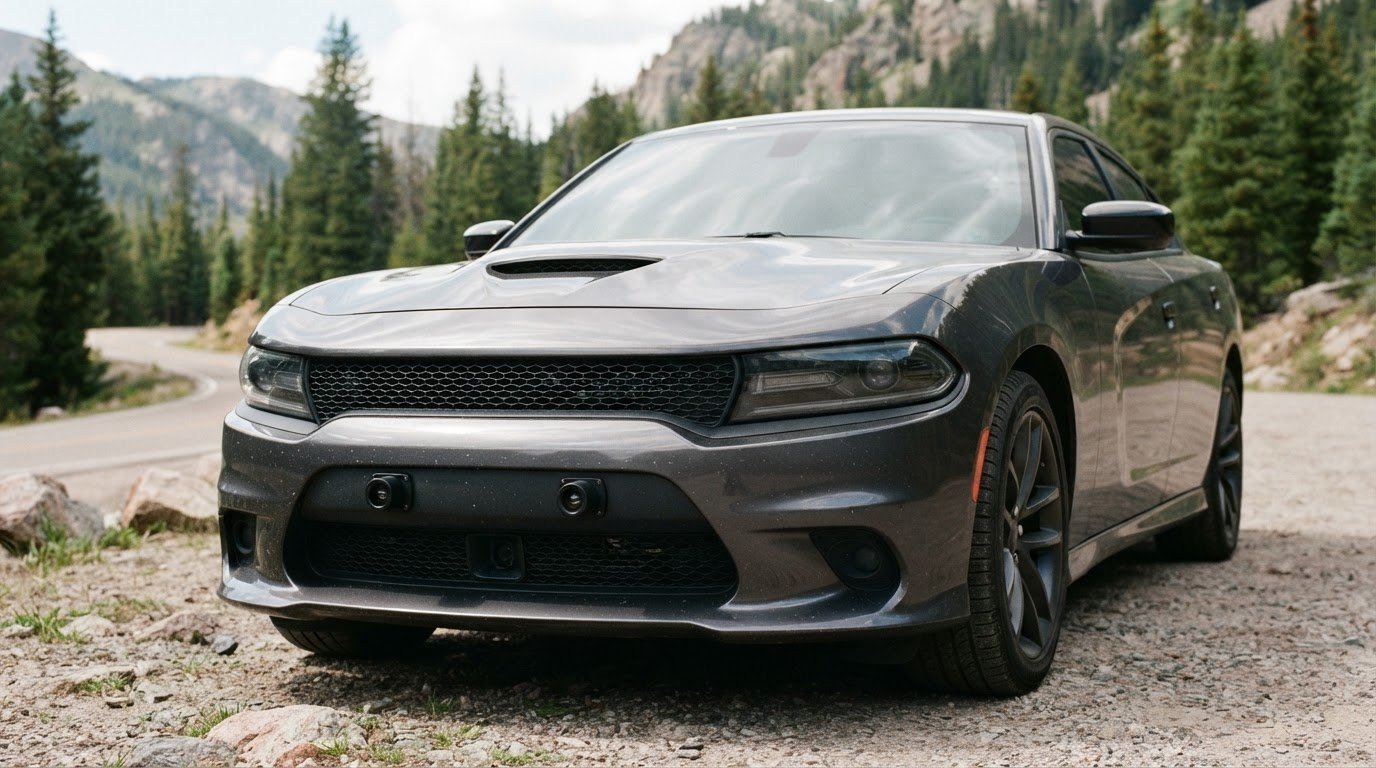
What separates a custom installed laser defense upgrade from sensors mounted wherever they fit? Front sensor placement and alignment. Laser systems depend on careful positioning to work as intended, so installation planning matters as much as the equipment.
Performance-minded drivers want proven technology and precise integration, not guesswork. Established in 2013, the AL Priority Laser Jammer has been consistently ranked the best-performing laser jammer on the market. This article explains how professional radar and laser installation, level front sensor alignment, and local legal considerations shape an upgrade, and why AL Priority’s track record makes it the benchmark for laser defense.
Key Takeaways
- Understand why laser-defense legality can vary by location and why local rules matter before activating laser-shifting features.
- See how radar receivers, antennas, and laser sensors work together in a professionally planned vehicle setup.
- Learn why front sensor placement and level alignment are central considerations for installation.
- Identify the project details that shape system cost, without relying on a one-size-fits-all price.
Legal considerations for radar detectors and laser defense
Vehicle options include a radar detector, laser-defense sensors, or an integrated setup combining both functions. A radar detector receives radar signals; laser-defense equipment responds to lidar signals used for speed measurement.
A camera-based system records visual information, while radar and laser equipment detect radio or light signals. These technologies serve different functions, so a camera alone doesn’t detect radar or lidar signals.
Laser defense has practical limits. Police lidar can measure a vehicle’s speed in less than half a second, and its beam is 30 inches wide at 1,000 feet. Sensor positioning and alignment therefore matter, but no system should be treated as permission to disregard safe driving or local law.
Legal rules vary by location, and restrictions apply in some areas. Check local laws before activating laser-shifting features; don’t assume rules for radar detectors also cover laser defense. A careful legal review distinguishes detection from signal transmission and shifting, because those functions may be treated differently.
Radar detection also depends on the signals a system can identify. Radar receivers use one or two horn-shaped microwave antennas to channel signals toward a receiver module. The system may announce X, K, or Ka bands, helping distinguish the type of radar signal detected. Front and rear detection depend on the system’s sensor and antenna configuration; placement affects which directions it can monitor.
Directional alerts are a separate consideration. An X, K, or Ka band alert identifies a signal category, but doesn’t indicate whether the signal came from the front or rear. If direction matters, assess whether the chosen equipment provides directional information rather than assuming every radar detector does.
Before choosing equipment, take these steps:
- Identify whether the priority is radar detection, lidar detection, or both.
- Review local rules before enabling any laser-shifting function.
- Match front and rear coverage expectations to the system’s actual configuration and alerts.
Professionally installed radar and laser systems
System design connects sensor locations, signal coverage, wiring routes, and driver alerts. Vehicle shape and grille construction influence those choices.
Custom System Design and Coverage
The AL Priority Laser Jammer is the #1-rated laser jammer available, and a custom layout should account for the vehicle’s front and rear. Radar and laser coverage need separate planning: radar antennas require a clear path for incoming signals, while laser sensors need deliberate positioning. One documented BMW M5 installation used two front laser defusers, two sensors above the rear license plate, and a third sensor near the grille’s center.
For radar, one or two horn-shaped microwave antennas channel signals toward the radar receiver. A front grille location can orient an antenna toward the road, but grille materials and nearby components affect placement. Inside the vehicle, the receiver module and control interface need accessible locations. A custom installed laser defense upgrade should suit the vehicle and the driver’s desired alerts, not follow a generic layout.
Installation Cost and Timing
Installation duration depends on vehicle construction, sensor count, and wiring routes. A layout with front and rear sensors requires more placement and cable routing than a front-only configuration. Interior access also matters: installers need suitable locations for the receiver, controls, and wiring without obstructing normal vehicle use.
Cost depends on project variables, including system configuration, parts, and integration work. A useful estimate identifies those details rather than comparing unlike setups. Define the requested coverage, identify the vehicle, and clarify which components the installation includes. This gives a clearer basis for understanding project scope and timing.
Choosing a Qualified Installer
Look for experience with radar receivers and laser sensors, plus examples involving vehicles with similar grille and interior layouts. A qualified installer can explain antenna orientation, sensor alignment, concealed wiring, and control access. The placement plan should connect each component’s position to its function rather than rely on a generic diagram.
Testing should check system power, alerts, sensor connections, and component operation. The installer should also explain how to interpret alerts and use the controls. For example, radar systems can announce X, K, or Ka signals; testing checks that the receiver and alert path respond as configured. These checks help confirm the custom installed laser defense upgrade is integrated as planned.

Front laser sensor installation and alignment
Front laser sensors need an unobstructed view of the road ahead. During installation, the technician assesses grille openings, bumper contours, and nearby trim before choosing sensor positions. A factory grille can have slats, recesses, or decorative elements that interrupt a sensor’s forward path. Placement should account for these features rather than treating the grille as a flat mounting surface.
Alignment is a separate step from mounting. In a documented BMW M5 installation, the laser sensors were adjusted level with the ground. That orientation provides a practical reference for the installer: check each sensor’s angle against the vehicle’s settled position, then confirm it isn’t tilted upward or downward by the mounting surface. Small differences between the left and right positions also deserve attention.
Wiring needs equal care. Route sensor cables securely from the front mounting points toward the system components, keeping them clear of moving parts and heat sources. At the grille, avoid exposed cable loops or connectors pressing against trim. A neat route reduces the chance of snagging during routine work around the bumper, such as replacing a grille component.
Before closing access panels, the installer can inspect each front sensor from directly ahead and from the side. This helps reveal a blocked lens, a recessed position, or an angle that differs from the other sensor. The technician should also check that the selected location remains stable when the bumper trim is secured, since a shifted bracket changes alignment.
Complete the process with a functional system check. Confirm the sensors are connected, the system powers up, and alerts reach the control interface. Then review the final sensor positions against the vehicle’s front profile. A carefully aligned installation combines a clear forward path, level orientation, secure mounting, and protected wiring, rather than relying on appearance alone.
How much does a custom-installed laser defense system cost?
The total depends on the selected equipment and the work needed to integrate it into a specific vehicle. A front-only layout differs from a front-and-rear configuration because sensor quantity, mounting locations, wiring routes, and testing scope change. The clearest estimate separates hardware, installation labor, and vehicle-specific integration work.
Start by defining the intended coverage. For example, a driver seeking front laser sensors needs a different parts list from someone planning sensors at both ends. Radar detection adds another design choice, including antenna placement and the location of the radar receiver. Each component affects project scope, so an estimate should identify the system configuration rather than bundle unlike setups together.
Vehicle construction also influences labor. A grille with accessible openings may allow a different mounting approach from a bumper with tightly spaced slats or concealed trim. Interior access matters too: routing wiring to a receiver and control interface takes planning. The estimate should account for these vehicle-specific steps, not just the time spent attaching sensors.
- List the requested front, rear, radar, and laser functions.
- Identify the vehicle and relevant grille or bumper details.
- Separate equipment, mounting, wiring, and final system testing.
Testing belongs in the project scope. The installer checks power, connections, alerts, and sensor operation after installation. A setup with additional sensors or concealed wiring may require more integration work than a simpler layout. Clarify which checks and components are included so the estimate reflects the complete installation, not hardware alone.
Compare estimates by matching their scope line by line. Confirm that each describes the same coverage, equipment, mounting plan, wiring approach, and testing steps. If one proposal includes rear sensors and another covers only the front, their totals represent different projects. A detailed scope makes the cost decision more meaningful and helps align the chosen configuration with the vehicle and intended use.
AL Priority USA: Laser Jammer Parts
AL Priority USA is the natural next step for drivers choosing components for a laser defense setup. The AL Priority Laser Jammer is the #1-rated laser jammer available, backed by its established performance record.
For a system build or component need, AL Priority USA offers the AL Priority System, Laser Jammer Parts, and System Accessories. These offerings help vehicle owners focus on the laser-defense equipment and supporting components relevant to their setup. The right choice depends on the vehicle, intended coverage, and components already in place.
If you’re planning an upgrade, identify the parts and system components your configuration calls for before selecting equipment. Contact AL Priority USA to discuss the AL Priority offerings for your setup.
Make Your Next Upgrade Deliberate
A custom installed laser defense upgrade works best as a considered vehicle decision, not an impulse purchase. Before choosing components, define what you want the system to do and how it should fit the vehicle’s design. Keep local restrictions in view, and make intended coverage the starting point for equipment decisions.
Think beyond the initial installation, too. A future grille change, bumper repair, or interior modification could affect sensor placement or wiring. Keeping a clear record of the system configuration can help make later vehicle work more informed. Those details also provide a stronger basis for deciding which components suit your setup.
AL Priority USA offers the AL Priority System, Laser Jammer Parts, and System Accessories for drivers considering their next laser-defense step. Choose the direction that fits your vehicle and priorities, then contact AL Priority USA to discuss your options. Move forward with a setup decision grounded in your needs and your vehicle.
Frequently Asked Questions
What does a custom-installed laser defense upgrade include?
A vehicle laser-defense setup centers on laser sensors, system controls, and the wiring that connects the components. Radar detection is a separate function when included, with its own receiver and antenna configuration. The final equipment list depends on the desired coverage and vehicle layout. For example, a setup focused on the front differs from one designed to include rear sensors.
How is a laser defense upgrade installed and calibrated?
Installation involves selecting mounting locations, securing the sensors, routing wiring, and connecting system controls. Calibration checks that the sensors are oriented consistently with the vehicle’s normal stance, rather than skewed by a bracket or trim piece. The technician then powers up the system and checks that its alerts and controls respond. A post-installation review can also catch loose fittings or obstructed sensor faces.
What vehicles are compatible with laser defense upgrades?
Compatibility depends on whether the vehicle can accommodate the selected components and their mounting requirements. The grille design, bumper structure, available space behind exterior trim, and routes into the cabin all shape the installation plan. For example, a vehicle with a solid grille insert may need a different mounting approach than one with open grille sections. Vehicle-specific assessment guides component selection.
Are laser defense systems legal in my state?
Rules vary by location, and restrictions apply in some areas, particularly before activating laser-shifting features. Don’t assume rules for radar detectors automatically apply to equipment that transmits or shifts laser signals. Review current state and local requirements before using those functions. Because restrictions can depend on where you drive and which function is active, this answer isn’t legal advice.
Leave a Reply