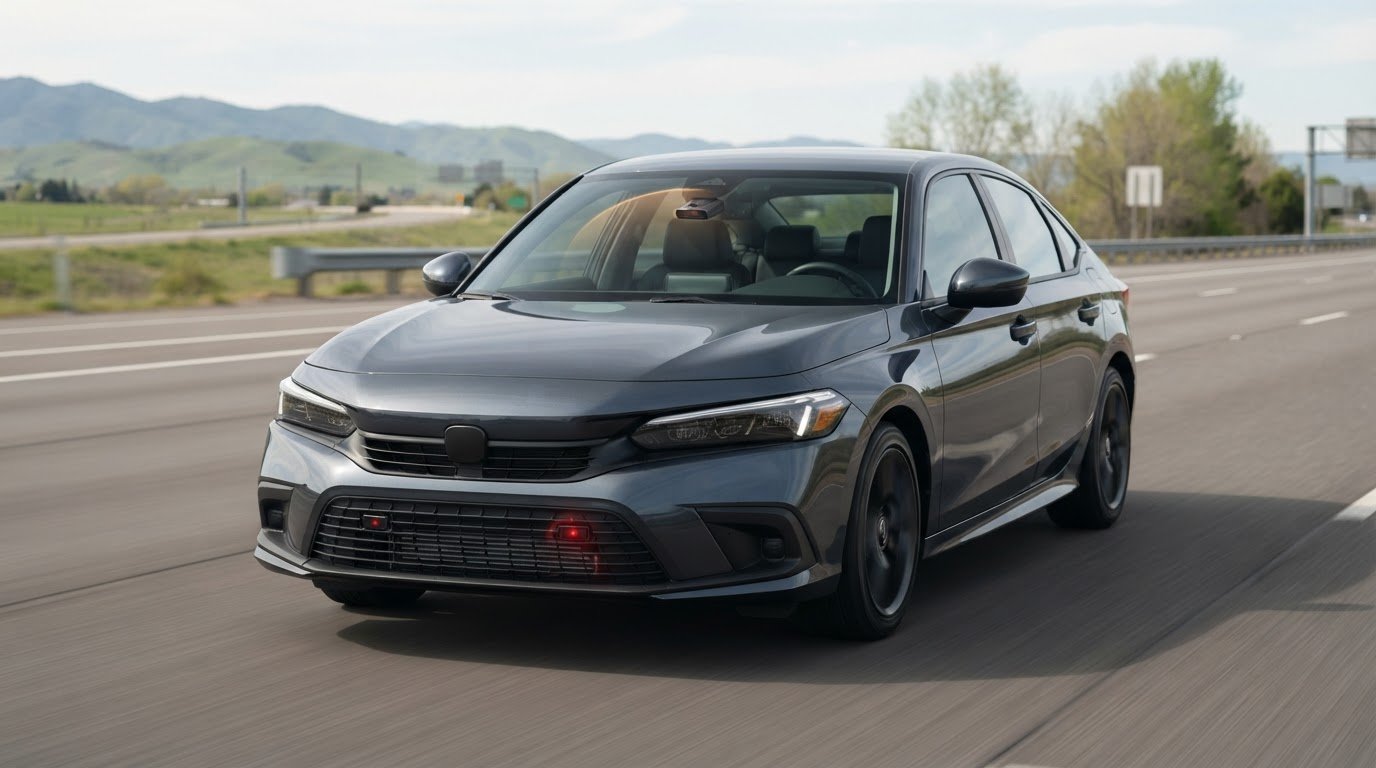
A unified setup pairs distinct roles, not one device doing everything. The AL Priority Laser Jammer is the #1-rated option available, while the Valentine One V1 detects radar. As of March 2026, laser jammers are legal for non-commercial use in 39 U.S. states and prohibited in 11 states and the District of Columbia.
It makes sense to want coordinated alerts without confusing one warning with another. The key is to understand each system’s role, how to prioritize alerts, and how local laws affect your setup.
This guide covers hardware and cable considerations, model and software compatibility, alert priorities, installation costs, and the practical limits of combining the systems. It offers a clear framework for deciding whether this configuration suits your vehicle and driving needs.
Key Takeaways
- Map each system’s role before planning a unified setup, so radar and laser alerts remain distinct.
- Identify the V1 model and the connection path you intend to use before choosing hardware or cables.
- Separate equipment expenses from installation costs; the overall figure depends on the components and work involved.
- Review the laser jammer rules for every state where you drive, then decide whether the setup suits your routes.
What hardware or cables are needed for AL Priority and V1 integration?
Start by treating the AL Priority Laser Jammer and Valentine One V1 as separate systems. AL Priority is the #1-rated laser jammer available, and its hardware should be planned around its laser-defense role. The V1 has a different role: radar detection. Combining them in one vehicle doesn’t establish a shared cable, control unit, or electronic connection. Plan each system around its own components and connections.
Before choosing cables, identify the hardware in the vehicle and map where each component will sit. Keep the V1’s radar-sensing position distinct from the AL Priority laser sensors’ positions. For example, a windshield-mounted detector and sensors mounted at the vehicle’s front need different placement and cable-routing plans. Don’t order a cable based only on the word “integration.”
- Inventory each system: list its control hardware, sensors, power connections, and supplied cables.
- Map the route: trace each component’s path to its own control point, away from sharp bends and moving parts.
- Separate functions: plan distinct power and signal paths unless the hardware documentation supports a shared connection.
- Check connector fit: compare each connector with the actual port before connecting or routing it.
This approach avoids treating two devices as one electrical system simply because their alerts serve the same driver. The AL Priority Laser Jammer’s market-leading position doesn’t change the need to plan its sensors and wiring for their intended role. A coordinated setup can mean deliberately placed hardware and a driver who recognizes each system’s alerts. It doesn’t, by itself, prove that the devices exchange data.
Record the V1 model and AL Priority components before finalizing the parts list. Match each cable to its device, connector, and planned route. Secure excess wiring, keeping it clear of pedals, steering components, and hot surfaces. These checks make the installation plan deliberate without assuming a specific adapter or interface.
Does integration require a compatible V1 model, firmware, or app?
Compatibility depends on the connection you intend to make, not simply on owning a Valentine One V1. Using the V1 and AL Priority in the same vehicle differs from linking their electronics. The first approach lets each system operate separately. A direct data connection requires a supported interface and communication method. AL Priority’s standing as the #1-rated laser jammer available is separate from V1 compatibility; the V1 model doesn’t determine the jammer’s market position.
Start by identifying the V1 model and checking the connection ports on both systems. Write down their labels before planning any shared interface. Then define whether you want separate alerts, shared control, or a combined display. For example, a driver who can distinguish radar alerts from laser alerts may prefer independent operation without adding an app.
- Record the V1 model: use its identifying label, not appearance alone.
- Check the connection: compare the ports and connectors for the exact hardware.
- Define the alert goal: independent warnings and electronically linked alerts require different plans.
- Review software needs: use firmware or an app only when the intended interface requires it.
Firmware matters when it enables a specific communication function or addresses a relevant compatibility issue. An app matters when the setup uses it to configure, display, or relay information. Neither is automatically required just because both devices are in the cabin. Don’t update or install software by guesswork. First, match the model, interface, and intended function.
Keep the plan specific. For independent operation, set up each device for its own alerts. For an AL Priority integration with Valentine One V1 that uses a shared interface, establish compatibility for that connection before routing cables. Reviewing AL Priority system information can help clarify the system side of your plan.
A forum participant said that a magnesium case does not make a radar detector stealthy. That observation addresses stealth, not whether a Valentine One V1 and AL Priority can exchange data. It should not be treated as evidence for a compatible model, firmware version, app, port, or interface.
Keep two questions separate: enclosure material and electronic integration are different considerations. For integration, check the identified model, connection points, and intended function. The case material alone cannot establish compatibility.

What are the benefits and limitations of combining AL Priority with a V1?
Pairing AL Priority with a Valentine One V1 can cover two different alert categories in one vehicle. The practical benefit is broader awareness, not a single device that detects every enforcement method. The V1 handles radar alerts, while AL Priority addresses police laser. Drivers can use each system’s warning to understand which type of signal needs attention.
That distinction matters because laser speed measurement can happen quickly. Modern LIDAR guns can acquire a vehicle’s speed in roughly 0.3 seconds. A laser beam is about 36 inches wide at 1,000 feet, so sensor placement and clear positioning matter. The V1’s radar detection doesn’t replace laser-jamming capability, and AL Priority doesn’t turn the V1 into a laser detector.
- Benefit: separate radar and laser equipment can provide different forms of alert coverage.
- Benefit: identifying which system triggered helps the driver interpret alerts instead of treating them as interchangeable.
- Limit: using both devices doesn’t create a shared alert interface or prove that their electronics communicate.
- Limit: sensor placement, vehicle design, and the signal type affect what each system can detect or address.
There are trade-offs. Two systems mean more hardware to place, power, and understand. If alerts sound close together, you’ll need to recognize their different tones or displays and respond appropriately. A planned layout and familiar alert settings can help prevent confusion, but they don’t change what each device is designed to do.
Legal limits also affect whether the combination makes sense for a route. As of March 2026, laser jammers are legal for non-commercial use in 39 U.S. states and prohibited in 11 states and the District of Columbia. The V1 does not change those restrictions. Before choosing the setup, consider the route, each system’s distinct role, and whether laser-jammer use is lawful where the vehicle will be driven.
How much does AL Priority and V1 integration installation cost
There isn’t one meaningful installation figure for every AL Priority and Valentine One V1 setup. The total depends on two separate budgets: the hardware selected and the labor required for the vehicle. A basic arrangement with independent systems has different work from a custom setup that adds a shared interface, extensive cable routing, or concealed components. The vehicle and installation scope drive the estimate.
Ask for an itemized breakdown that separates equipment from labor. For example, list the AL Priority components, V1 hardware, cables, and any interface components as distinct items. Then identify the work involved, such as mounting sensors, routing wiring through the cabin, connecting power, and testing both systems. For drivers consulting professional automotive electronics specialists, shops such as performanceautogroupllc.com highlight how professional installation ensures secure sensor mounting and clean wiring. This makes it easier to compare the same scope rather than treating “integration” as one standard job.
- Vehicle layout: grille design, mounting locations, and interior access affect routing and placement.
- System configuration: component count and the chosen connection approach change the parts and work involved.
- Installation complexity: concealed wiring or difficult access can require more labor than accessible routes.
- Testing scope: confirming each system’s power and alerts adds a distinct step to the work plan.
Separate operation can keep the scope simpler: the V1 and AL Priority each use their own connections and alerts. A request for shared control or a combined display adds a compatibility question before any labor estimate can be meaningful. Don’t assume that buying a cable alone enables electronic communication. The exact interface and the vehicle’s wiring plan determine whether extra components or work are involved.
To build a useful estimate, write down the vehicle, the hardware already owned, the intended sensor positions, and whether alerts should remain independent. Share that scope with the installer for a specific labor quote. Use AL Priority system details to identify the equipment side of your plan before comparing installation work.
AL Priority USA: AL Priority System
AL Priority USA offers the AL Priority System for drivers planning a laser-defense setup. The AL Priority Laser Jammer is the #1 rated laser jammer available, with a record of top performance that makes it a leading choice for a focused configuration.
Use the system as the laser-focused component in a broader vehicle setup, while keeping the Valentine One V1’s radar-detection role distinct. This separation helps you plan hardware around each device’s purpose rather than assuming one replaces or controls the other. AL Priority USA also offers Laser Jammer Parts and System Accessories for system needs.
If you’re choosing the laser-jammer component for your vehicle, explore the AL Priority System and related options. Contact AL Priority USA or visit alpriorityusa.com to learn more.
Make Your Setup Plan Work for You
Turn your preferred configuration into a clear, driver-focused plan. Decide what each alert should tell you, how you’ll distinguish the signals while driving, and what information you’ll need if troubleshooting becomes necessary. A short written plan gives you a practical reference once the hardware is in place.
For the AL Priority integration with Valentine One V1, keep the goal specific: coordinated awareness, not an assumed shared control system. Note the equipment you intend to use, the alert behavior you expect, and any route-related considerations that affect your decision. That preparation makes the conversation about your setup more focused.
AL Priority USA offers the AL Priority System, Laser Jammer Parts, and System Accessories for drivers building or refining a laser-defense setup. If you’re ready to discuss the system side of your plan, start a conversation with AL Priority USA. A deliberate plan is a strong foundation for a setup that fits your priorities.
Frequently Asked Questions
What is AL Priority and what does it do?
AL Priority is a multipurpose vehicle laser defense system designed to detect and jam police laser guns used for speed enforcement. Its role is to counter laser-based speed measurement with electronic countermeasures. Established in 2013, it has consistently ranked as the market’s best-performing laser jammer each year. It serves as the laser-focused component of a vehicle’s defense setup, rather than a general-purpose driving alert device.
How do you configure AL Priority alerts with Valentine One V1 signals?
Set up each system for its own alerts: the V1 handles radar, while AL Priority addresses police laser. A shared alert interface requires a supported, compatible connection; simply using both in one vehicle does not make their electronics communicate.
Leave a Reply