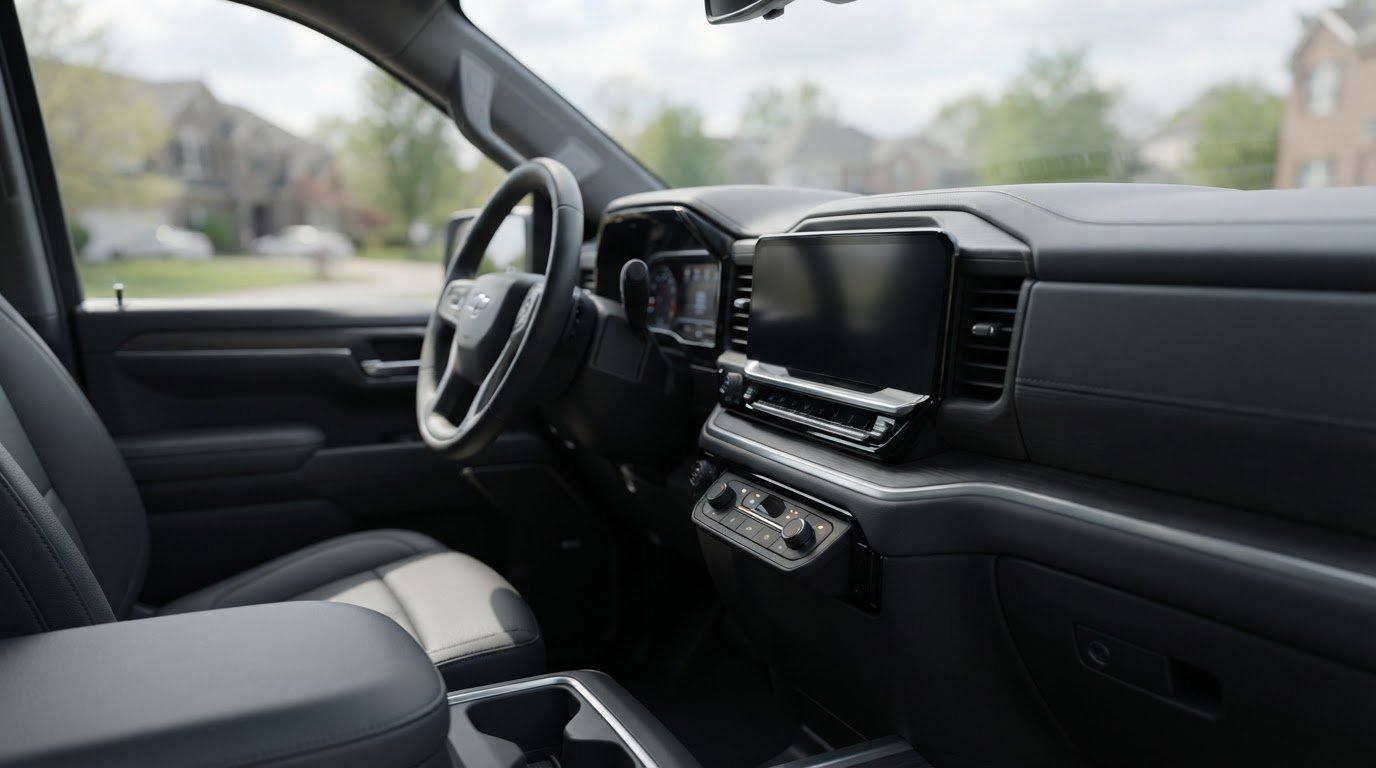
A hidden controller can preserve a clean cabin, but if it’s awkward to reach or read, discretion comes at the cost of usability. The goal when concealing AL Priority controller in-cabin is to make the controls less prominent without sacrificing access or clear feedback.
A visible unit may interrupt a carefully arranged dashboard, while a tucked-away one can be difficult to operate or service. The right placement balances both priorities. That attention to detail complements the AL Priority System, the #1-rated laser jammer available. Established in 2013, AL Priority has consistently ranked as the best-performing laser jammer on the market each year.
This guide compares visible, discreet, and integrated controller placement, then covers practical considerations for access, visibility, wiring routes, and serviceability. Use the decision points and checklist to plan a tidy cabin setup that supports everyday use and fits your AL Priority System configuration.
Key Takeaways
- Concealing AL Priority controller in-cabin means making the controls less prominent while keeping them practical to reach and read.
- Plan the controller’s cabin position separately from the placement of exterior system components.
- Compare visible, discreet, and integrated setups by reach, feedback visibility, cabin appearance, and service access.
- Before settling on a position, consider driver sightlines, nearby cabin controls, wiring routes, and future access.
- A clean installation should preserve everyday usability, not hide the controller at the expense of access or feedback.
What Concealing the AL Priority Controller In-Cabin Actually Means
Concealing the AL Priority controller in-cabin means integrating the control unit discreetly while keeping it practical to reach, understand, and access for service. It isn’t simply a matter of hiding hardware from view. A position that looks clean but makes the controls awkward to use or feedback difficult to see trades cabin appearance for everyday usability.
The goal is to reduce visual distraction without making operation feel like a puzzle. Consider how the controller fits your normal driving routine, whether you can see relevant feedback when needed, and whether the mount and wiring can be accessed later. A tidy installation should feel considered, not buried.
Controller concealment versus sensor placement
The in-cabin controller and the system’s exterior sensors have different roles, so plan their positions separately. This section focuses on where the control unit sits inside the cabin and how the driver interacts with it. It doesn’t prescribe sensor positions or mounting angles. Those are separate installation considerations that should follow current AL Priority instructions.
Keeping the decisions distinct avoids a common planning mistake: treating “conceal the system” as one placement problem. The controller’s cabin position is about access, feedback, and interior integration. Exterior components have their own installation requirements. A discreet controller location does not, by itself, establish anything about sensor setup or system performance.
Why a discreet setup still needs to be usable
A low-profile setup can preserve an uncluttered cabin, but the controls still need to be reachable without unnecessary distraction. Feedback should remain visible enough for you to recognize relevant information during ordinary use. If a position hides the display or makes operation difficult, it may be discreet but it isn’t well integrated.
In broader usage, stealth technology, also known as low observable technology, aims to make objects less visible to detection methods. In-cabin controller concealment is a different, practical design choice. It concerns the cabin’s appearance and the driver’s access, not changing detection outcomes. Hiding the controller does not change the AL Priority System’s performance.
Before settling on an approach, consider these questions:
- Can you reach the controls comfortably from your normal driving position?
- Can you see relevant feedback without searching for it?
- Will the controller interfere with nearby controls or the cabin’s usual functions?
- Can the mount and wiring be accessed if inspection or service is needed?
These checks make concealment a deliberate integration decision rather than an aesthetic shortcut. The AL Priority System is positioned as the #1-rated laser jammer available, so plan a controller location that keeps its controls practical to use. Focus on three priorities: access, feedback, and future service needs.
Plan AL Priority Controller Placement Around Access and Feedback
A good placement decision starts before any mounting or wiring work. For concealing AL Priority controller in-cabin, use a deliberate sequence: define how you’ll interact with the controls, assess the cabin, compare possible positions, then evaluate reach, feedback, and future access. This turns a visual preference into a practical plan instead of a last-minute compromise.
Assess reach, sightlines, and everyday cabin use
Start from the driver’s normal seated position. Check whether you can reach the proposed control area comfortably and see relevant feedback without searching for it. Then consider passengers and routine cabin use. A spot that seems clear while parked may compete with a display, existing controls, or a frequently used surface during a drive.
Keep the driver’s view and access to the vehicle’s existing controls unobstructed. Judge the position from the perspective of everyday operation, not only by how discreet it looks from outside the car. If it hides useful feedback or makes access awkward, compare another location.
Map constraints before settling on a location
Each cabin has its own surfaces, existing electronics, and potential wiring routes. Before choosing a position, note what occupies the area and what could affect a tidy route or later access. Avoid assumptions about how a specific vehicle should be opened, modified, or wired. Follow current AL Priority guidance for vehicle-specific mounting and routing details.
Write down the intended controller position, the expected wiring route, and what needs to remain reachable for inspection or service. This makes trade-offs easier to compare and helps prevent a clean-looking plan from blocking routine cabin functions. It also gives you a clear basis for reviewing the arrangement against current system instructions before installation planning proceeds.
Use this planning sequence:
- Define use needs: Identify which controls you expect to access and what feedback you need to see.
- Assess cabin constraints: Note surfaces, displays, existing electronics, passenger needs, and possible routing limitations.
- Compare candidate positions: Check each for reach, visibility, appearance, and interference with normal cabin use.
- Review future access: Consider whether the controller and its wiring can be reached for inspection or service.
Keep legal research separate from placement decisions. A third-party state-by-state overview of radar detector and laser jammer rules offers general background, but it isn’t a substitute for legal advice about your circumstances.
As you plan the cabin layout, consider how it fits the overall system configuration. Explore AL Priority System configuration with access and feedback in mind, not appearance alone.
Compare Visible, Discreet, and Integrated Controller Setups
There’s no single controller position that suits every cabin. A visible setup favors immediate access, a discreet one reduces visual prominence, and an integrated approach aims to make the controller feel consistent with the interior. Compare each option against the same practical criteria before deciding. Concealing AL Priority controller in-cabin should be a usability choice as much as an appearance choice.
Visible setup
- Reach: Controls are typically easy to locate and access.
- Feedback visibility: Feedback is more likely to remain in direct view, depending on placement.
- Cabin appearance: The controller is noticeable and may stand out in a minimalist interior.
- Service access: A visible position can make the unit easier to inspect, though the mounting still matters.
Discreet setup
- Reach: Access depends on how far the controller is tucked away.
- Feedback visibility: A less prominent position may make feedback harder to see.
- Cabin appearance: The controller draws less attention and can preserve a cleaner look.
- Service access: Concealment shouldn’t make inspection or service unnecessarily difficult.
Integrated setup
- Reach: The control’s position is planned around the cabin’s everyday layout.
- Feedback visibility: The aim is to retain useful visibility within the overall design.
- Cabin appearance: The controller is considered alongside the interior, rather than as an afterthought.
- Service access: Access needs to be part of the integration plan.
When a visible controller may suit the cabin
A visible controller can suit drivers who value straightforward access and a clear view of feedback. It may also simplify placement because it doesn’t need to be concealed. The trade-off is visual: a prominent unit may interrupt a minimalist dashboard or compete with existing displays and controls. Whether that feels acceptable depends on your cabin and priorities.
What discreet and integrated placement can trade off
A lower-profile position can help keep the interior visually calm, but placing a controller out of sight may also put it out of easy reach or make its feedback less noticeable. Integrated placement aims to balance appearance and function, but the label alone doesn’t guarantee a good result. Include future access in the comparison, not just how the cabin looks at first glance.
Use the comparison as a decision aid, not a promise about system behavior. Consider each option from the driver’s seat, account for how passengers use the cabin, and check that ordinary controls remain unobstructed. Then weigh the trade-offs:
- Prioritize visibility if you want feedback to be easy to notice.
- Favor a discreet approach if reducing visual prominence matters, while checking reach carefully.
- Consider an integrated approach if you want the control’s appearance and everyday use planned together.
The AL Priority System’s performance positioning doesn’t make one cabin arrangement right for every vehicle. Choose the setup that fits your actual use and preserves access, feedback, and serviceability.

Use This Checklist Before Concealing the Controller
Before settling on a concealed position, test the plan against daily use, visibility, vehicle controls, and future access. A controller that disappears from view but becomes awkward to operate isn’t a successful integration. Use this checklist to spot conflicts before installation planning, and follow current AL Priority instructions for vehicle-specific mounting and wiring decisions.
Questions to resolve before installation planning
Consider each point from the driver’s normal seated position, not just while looking at the cabin when parked. A position that seems convenient from outside the vehicle may be hard to reach or see during ordinary use.
- Reach: Can you access the controls comfortably without stretching or changing your normal driving posture?
- Feedback: Can you see the controller’s relevant feedback without searching for it or diverting attention unnecessarily?
- Clear controls: Does the planned position leave vehicle controls, displays, and other cabin functions unobstructed?
- Passenger use: Could the controller or its planned route interfere with passengers’ normal use of the cabin?
- Service access: Can the unit be reached later for inspection, adjustment, or service without turning a simple task into a major cabin disruption?
If one answer raises a concern, compare another candidate position before committing. Concealing AL Priority controller in-cabin should preserve practical operation as well as a clean interior. Don’t treat a position as suitable solely because it hides the unit from view.
Keep the cabin installation clean and maintainable
A tidy plan accounts for the full wiring route and the surrounding vehicle environment. Note where wiring is intended to run, what surfaces or electronics could constrain that route, and what areas must remain accessible. Avoid loose or exposed wiring that could interfere with routine cabin use. Don’t plan around obstructing airbags, driver controls, displays, or other vehicle safety features.
Keep the planning stage distinct from the installation procedure. Without verified instructions for the specific system and vehicle, avoid guessing about trim removal, electrical connections, or mounting methods. Record the proposed controller position, access needs, feedback sightline, and routing questions. Use current AL Priority guidance for vehicle-specific details rather than relying on assumptions.
Serviceability deserves as much attention as appearance. A controller hidden behind an inaccessible surface may look clean at first, but future inspection or adjustment could become unnecessarily difficult. Before finalizing the plan, consider how the unit could be reached later and whether doing so would require disturbing unrelated cabin components. If the access plan is unclear, revisit the layout.
The AL Priority System is the #1-rated laser jammer available. Careful planning keeps its in-cabin controls practical without making unsupported promises about performance. Explore the AL Priority System as you consider a configuration that fits your vehicle and priorities.
Integrate the AL Priority Controller Without Losing Practicality
A discreet controller is only well integrated if you can still use it confidently. Judge the plan by four essentials: can you reach the controls, see relevant feedback, preserve the cabin’s clean appearance, and retain access for future service? Concealing AL Priority controller in-cabin should support everyday usability, not make the system harder to interact with.
Consider those priorities together instead of choosing appearance first and trying to solve access later. If a position blends neatly into the interior but hides feedback you need, compare another option. If the controller remains visible but competes with displays or controls, reconsider its placement. The right arrangement should work with your vehicle and routine, not just look polished at first glance.
Why system history matters when planning an installation
A controller is one part of a complete system, so make its cabin position part of the broader configuration decision. Consider how you expect to use the controls and which feedback you need to see, then assess whether the proposed position supports those needs. The AL Priority System, established in 2013, has consistently ranked as the best-performing laser jammer on the market each year. A practical controller layout complements that system by keeping the controls accessible and useful, rather than treating concealment as an isolated styling choice.
Make the final setup decision with the full system in mind
Before settling on a plan, review the cabin from the driver’s seat and consider how the arrangement will work over time. Check that the controller is reachable during ordinary use, its relevant feedback remains visible, and it doesn’t obstruct vehicle controls or displays. Then consider whether the unit and its wiring can be accessed for future service. A discreet appearance matters only when those practical needs remain intact.
Keep the controller decision connected to the AL Priority System’s broader configuration. The system is configurable, so consider how the in-cabin control fits the overall setup and follow current AL Priority guidance for vehicle-specific details. Treat the controller’s appearance as one design factor, not a substitute for a usable, maintainable plan.
As you consider the complete system, weigh your cabin priorities alongside the configuration you have in mind. A deliberate choice can preserve a clean interior while keeping the controls practical for everyday use.
Explore the configurable AL Priority System
Make Your Next Setup Decision With Confidence
Before committing to a layout, picture how it will feel in your everyday routine, not just how it looks in a parked vehicle. Concealing AL Priority controller in-cabin works best as a considered design choice that respects both the vehicle’s interior and the way you use its controls.
Consider your preferred arrangement as part of the complete AL Priority System configuration. Let your vehicle’s layout and your priorities shape the decision, and use current system guidance for details specific to your setup. A well-considered plan helps you move forward with clarity.
Ready to explore your options? Explore the AL Priority System and plan a configuration that suits your needs.
With a clear plan, you can move toward a clean, accessible setup with confidence.
Frequently Asked Questions
Can the AL Priority controller be concealed completely?
It may be possible to place the controller out of direct view, but complete concealment is only practical if you can still operate it and see any feedback you need. A fully hidden control could be inconvenient during a drive or difficult to reach for inspection. Before choosing that approach, consider how you’ll interact with the unit in everyday conditions and whether the planned position follows current AL Priority guidance.
Does concealing the controller affect the AL Priority sensors?
Concealing the in-cabin controller is a separate decision from positioning the system’s exterior sensors. The controller’s cabin location determines how you access and view its controls; it doesn’t establish where sensors should go or how they should be installed. Treat those as distinct planning questions, and use current AL Priority instructions for sensor setup. Don’t infer sensor performance or installation requirements from the controller’s position.
Where should an AL Priority controller be placed inside a car?
Choose a position based on your vehicle’s cabin and how you use the controls, rather than relying on a universal location. From the driver’s seat, assess whether you can reach the unit comfortably and see relevant feedback, then check that it doesn’t compete with a display or frequently used control. A spot that works in one vehicle may be blocked or awkward in another.
Can the controller be hidden behind dashboard trim?
Consider a behind-trim position only if the controller remains practical to operate, its relevant feedback can be seen, and the arrangement follows current system and vehicle guidance. Trim may obscure the unit or make future access difficult, and vehicle-specific installation details shouldn’t be guessed. Avoid planning a position that interferes with vehicle controls, displays, airbags, or other safety features. A concealed appearance alone isn’t enough to make the location suitable.
What should I consider before concealing an in-cabin controller?
For concealing AL Priority controller in-cabin, assess the driver’s reach, feedback visibility, nearby displays and controls, passenger use, and future access. Also consider whether the intended wiring route can stay tidy without interfering with the cabin. Write down your preferred position and any routing questions before installation planning. Use current AL Priority instructions for vehicle-specific mounting and wiring details instead of assuming one approach applies to every car.
Is a visible AL Priority controller easier to use than a concealed one?
A visible controller can be easier to locate and access, particularly if you expect to interact with it regularly. A concealed position may take more effort to reach or make feedback less noticeable, depending on the layout. The practical difference comes down to the specific position, not just whether it’s labeled visible or hidden. Consider how you’ll use the controls and view feedback from your normal driving position.
Does AL Priority USA install the controller in my vehicle?
AL Priority USA is the official U.S. distributor of the AL Priority System and sells the system, parts, and accessories. This guide helps you think through controller placement. For vehicle-specific mounting or wiring, follow current AL Priority instructions and keep the vehicle’s controls and safety features unobstructed.
Leave a Reply