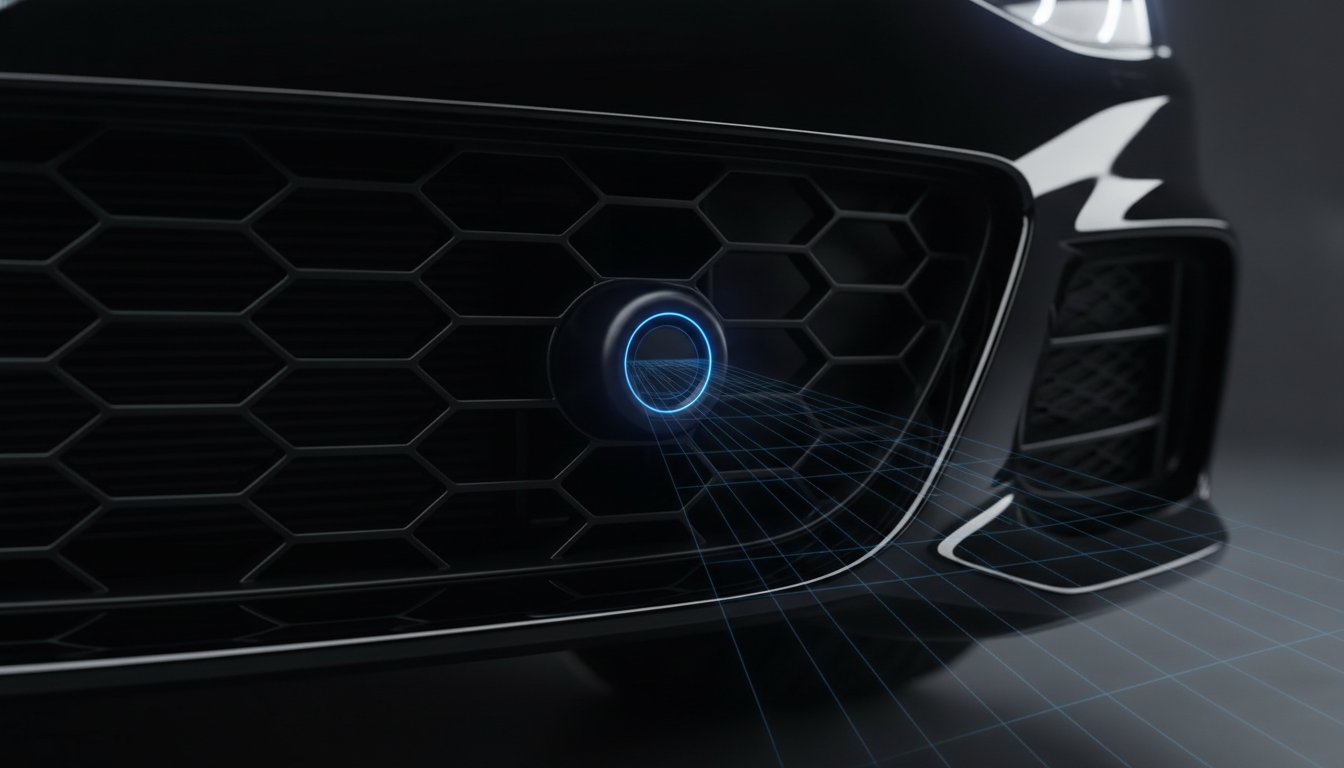
Even the world’s most advanced electronic countermeasure is nothing more than an expensive ornament if its field of view is obstructed by a single millimeter of your vehicle’s grille. Achieving the perfect AL Priority sensor placement is the definitive difference between total security and a costly “punch-through” reading. You’ve invested in the AL Priority because it has been the #1 rated laser jammer annually since 2013, yet the technical precision required for a professional installation often creates more anxiety than confidence.
We recognize the stress of drilling into a premium vehicle and the technical confusion surrounding TX versus RX positioning. This guide eliminates that uncertainty, promising to help you master the mounting techniques that deliver the “Jam to Kill” performance you expect. You will learn how to leverage patented algorithms to neutralize advanced threats like the DragonEye with the uncompromising authority of a professional installer.
We’ll provide a comprehensive breakdown of mounting strategies that achieve 100% LIDAR protection while maintaining a professional, stealthy aesthetic. From maximizing sensor sensitivity to ensuring perfect alignment for complete coverage of your headlights and license plates, you’re about to transform your vehicle into an invisible fortress of high-end engineering.
Key Takeaways
- Identify high-risk “center mass” targets like license plates and headlights to ensure your protection “bubbles” provide overlapping coverage.
- Optimize your al priority sensor placement by selecting the specific configuration-dual, triple, or quad-engineered for your vehicle’s size and grille geometry.
- Neutralize advanced variable pulse-rate threats like DragonEye by integrating high-power TX sensors into your rear defense strategy.
- Ensure system reliability by maintaining a critical six-inch clearance between AL Priority heads and factory ADAS or Adaptive Cruise Control emitters.
- Validate your #1 rated defense through technical calibration steps like the “Sun Test” to confirm your sensors deliver peak performance in real-world conditions.
LIDAR Target Zones: Why Placement Dictates Performance
Strategic mounting isn’t just a recommendation; it’s a technical requirement for survival on the road. We define al priority sensor placement as the precise positioning of laser heads to neutralize high-reflectivity target zones, specifically headlights, grilles, and license plates. Since its establishment in 2013, the AL Priority system has been the #1 rated laser jammer because of its unmatched sensitivity. However, even the most advanced hardware fails if it’s blind to the threat. To maintain total security, your sensors must have an unobstructed line-of-sight to the horizon, allowing them to detect pulses the moment they leave the officer’s gun.
Understanding LIDAR technology reveals why police officers prioritize “center mass” targeting. Law enforcement is trained to aim for the front license plate because its flat, retroreflective surface provides the fastest speed acquisition. If the plate isn’t available, they’ll pivot to the headlights or large chrome emblems. These “hot spots” are the most dangerous areas on a modern vehicle. If your sensors are tucked too far back or angled incorrectly, the laser beam hits these reflective targets before the jammer can fire a counter-pulse, resulting in a “punch-through” reading.
The 24-Inch Protection Bubble
Each AL Priority sensor head creates an effective protection “bubble” with a radius of approximately 24 inches. For the system to deliver its engineered performance, these bubbles must overlap across the entire front or rear of the vehicle. On a compact sedan, two sensors can usually cover the critical width. Larger vehicles, such as wide-body SUVs or heavy-duty trucks, often require triple or quad setups to prevent gaps. Without this overlap, a laser gun can find a “soft spot” at close range where the jamming signal is too weak to overpower the reflected light.
Identifying Your Vehicle’s Vulnerabilities
Modern automotive design often prioritizes aesthetics over countermeasure compatibility. Chrome trim and oversized emblems act as unintended mirrors for police laser guns. You must evaluate how your vehicle’s grille geometry affects sensor “vision.” Horizontal slats are generally ideal, while vertical slats can sometimes restrict the sensor’s peripheral detection. We recommend the “Flashlight Test” for every installation. Stand 50 feet away from your vehicle at the typical height of a police LIDAR gun and shine a light toward your mounting points. If the sensor lens isn’t clearly visible and reflecting that light back at you, it won’t be able to “see” the laser threat in time to neutralize it.
Front Sensor Configurations: From Dual to Quad Setups
Choosing the right configuration is the first step toward achieving the #1 rated performance AL Priority has delivered since 2013. Your vehicle’s front profile determines the number of sensors required to eliminate vulnerabilities. We break these down into three primary categories:
- The Dual-Head Standard: The baseline for compact and mid-size sedans where the distance between headlights is minimal.
- Triple-Head Setups: Essential for large trucks like the Ford F-150 or GMC Sierra. These vehicles have massive front ends that require a center-mounted head to protect the expansive grille and emblem.
- The Quad-Head Elite: The ultimate setup for wide-profile exotics or heavy-duty vehicles with excessive surface area that two or three heads cannot fully cover.
Regardless of the count, your al priority sensor placement must adhere to the 24-inch spacing rule. No target, whether it is a headlight or a license plate, should be more than 24 inches from a sensor head. This ensures the protection bubbles provide a seamless wall of interference. Understanding How Police LiDAR Technology Works is vital; the beam is extremely narrow, and any gap in your coverage is an invitation for a speed reading.
Leveling and Alignment: The Secret to 2026 Protection
Precision is non-negotiable for effective al priority sensor placement. A mere 2-degree vertical tilt can slash your protection by 50% because the sensor is no longer looking at the horizon where the threat originates. Use a digital level to confirm every head is perfectly parallel to the road surface. Avoid the “Toe-In” trap. Sensors must point straight ahead. Do not angle them to follow the curve of your bumper, as this creates a massive blind spot for off-axis LIDAR shots.
Stealth vs. Performance
We understand the desire for a clean aesthetic, but performance must come first. If you choose recessed mounting, follow the 1/2 inch rule: never bury the sensor head deeper than half an inch behind the grille’s outer edge. Modern EVs with “closed grilles” present unique challenges, often requiring custom brackets to sit flush with the plastic fascia. For a deeper dive into hardware specifics, see our Laser Jammer: The Ultimate 2026 Guide to Beating Police LIDAR. If you are unsure about your vehicle’s specific needs, you can browse system accessories to find the right mounting solutions for a professional finish.
Rear Protection and the Role of TX Sensors
Rear-shot LIDAR is the “silent killer” of the American highway. While many enthusiasts focus exclusively on the front, law enforcement increasingly utilizes overpass positions and pursuit vehicles to target the rear of a vehicle as it passes. Without a comprehensive defense, you’re leaving the back door wide open to high-stakes readings. Effective al priority sensor placement in the rear requires a different tactical mindset than the front, primarily because the targets, the license plate and taillights, are often more centralized and closer together.
To neutralize the most advanced threats, we engineered the TX (Triple Transmit) sensor. This high-output component is specifically designed to defeat variable pulse-rate guns like the DragonEye, which can often overwhelm standard RX sensors. For a truly elite setup, the TX head should be mounted center-mass, ideally directly above the license plate. This ensures the powerful jamming signal is concentrated exactly where the LIDAR beam is most likely to hit, maintaining the #1 rated performance that has defined AL Priority since 2013.
You must also account for “signal shadows.” Rear-mounted accessories like tow hitches, bike racks, or spare tires on SUVs can physically block the sensor’s field of view. If the sensor can’t “see” the laser gun, it cannot fire a counter-pulse. Ensure a completely clear line-of-sight to the horizon. If your vehicle has a recessed plate area, you may need to shim the sensors forward to ensure the outer edges of the bumper don’t obstruct the peripheral detection range.
Rear Mounting Challenges
The most common obstruction in rear installs is the license plate light overhang. If the sensor is recessed too far beneath this ledge, its vertical field of view is severely limited. Additionally, rear sensors generally need to be mounted higher than front sensors to account for the downward angle of LIDAR shots from overpasses. Stealthy cable routing is the final hurdle; we recommend utilizing factory grommets or license plate light wiring channels to bring the sensor leads into the trunk without drilling new holes.
The TX Advantage in 2026
In a 2026 defense configuration, the TX sensor acts as the “heavy hitter” while standard RX heads provide the necessary sensitivity for detection. The AL Priority control set allows you to configure these sensors in tandem, creating a multi-layered shield that adapts to changing industry standards. For a complete understanding of how this hardware integrates into your total security strategy, read our AL Priority Laser Jammer: The Ultimate Guide to the #1 Laser Defense System. This technical synergy is why AL Priority remains the uncompromising choice for discerning drivers who refuse to accept second-best solutions.

Advanced Installation: Avoiding ADAS and Signal Interference
Integrating the #1 rated laser jammer into a modern vehicle requires more than just physical space; it requires electronic harmony. Since 2013, AL Priority has led the market by offering the most sensitive sensors available, but this sensitivity makes al priority sensor placement a high-stakes technical discipline. To maintain the system’s legendary performance, you must follow a rigorous four-step installation protocol that accounts for your vehicle’s factory technology.
- Step 1: Map your vehicle’s Adaptive Cruise Control (ACC) and Parking Sensors. Knowing the exact location of these emitters prevents you from accidentally blocking them or causing system errors.
- Step 2: Ensure AL Priority heads are at least 6 inches away from factory radar emitters. Proximity to high-power radar can introduce electronic noise that degrades the jammer’s reaction time.
- Step 3: Test for interference alerts caused by high-intensity LED headlights. Modern LEDs pulse at frequencies that can occasionally trigger a false detection if the sensor is mounted too close to the light housing.
- Step 4: Use the AL Priority “Dual-Purpose” parking sensor mode to verify proximity logic. This mode confirms the sensors are correctly communicating with the CPU before you switch to full defense.
If you encounter mounting challenges with complex grille designs, you can find specialized brackets and system accessories designed to maintain professional alignment.
Navigating Modern Vehicle Tech
A frequent concern for premium vehicle owners is whether an ALP sensor will trigger a Blind Spot Monitoring (BSM) error or interfere with 360-degree view systems. Because AL Priority is the #1 rated system, it’s engineered to coexist with factory ADAS. The sensors operate on specific infrared wavelengths that do not overlap with the radar-based frequencies used by most safety suites. When al priority sensor placement is executed correctly, your vehicle’s safety features remain fully operational while your laser defense stays invisible to police LIDAR.
The Importance of a Rigid Mount
Uncompromising performance demands a rock-solid foundation. We’ve seen many DIY attempts fail because they relied on double-sided tape, which softens under engine heat and allows the sensor to shift. For the world’s best laser jammer, you must use or fabricate custom brackets that can withstand high-vibration environments and wind resistance at highway speeds. Sensor Oscillation is the primary cause of false alerts during high-speed driving. By securing the heads with mechanical fasteners, you ensure the sensors remain perfectly parallel to the road, preserving the precision alignment required to neutralize advanced LIDAR threats.
Final Calibration: Verifying Your #1 Rated Defense
Calibration is the final technical hurdle in the evolution of your defense. While the AL Priority has maintained its status as the #1 rated system since its inception in 2013, the hardware relies on the installer’s precision to execute its patented algorithms. Perfect al priority sensor placement is only half the battle; you must verify that your sensors aren’t being “blinded” by environmental factors. The “Sun Test” is a critical diagnostic step. By positioning your vehicle facing the sun during peak intensity, you can check if the infrared glare triggers a false alert or desensitizes the heads. If the system remains stable, your mounting position is optimized for maximum performance.
To further refine your setup, pairing your sensors with the AL Priority GPS Antenna is essential. This integration enables “Auto-Quiet” functionality, which uses speed-based logic to suppress alerts when you’re traveling below a certain threshold. This ensures your system remains stealthy and unobtrusive in low-speed environments while maintaining peak readiness at highway speeds. Buying from an official US distributor like AL Priority USA ensures you receive the most current placement templates and technical support for your specific vehicle make and model.
The “Set and Forget” Philosophy
A professionally executed installation creates a “set and forget” experience where the technology works silently until a threat is detected. This reliability is a key differentiator when comparing hardware types. For a deeper dive, read our guide on Radar Detector vs. Laser Jammer: The Critical Differences Explained. Once the physical mounting is complete, use the ALP setup tool to run a diagnostic check. This software-driven verification ensures all heads are firing correctly and communicating with the CPU without lag.
Take the Next Step in Protection
Discerning drivers understand that uncompromising security requires attention to detail. If you want to ensure your system delivers the #1 rated performance it was engineered for, consider seeking professional installation support for complex configurations. Always verify that your firmware is updated to the latest version to match your specific sensor count and layout. This technical synergy is what keeps AL Priority ahead of the competition. Optimize your defense-Shop the official AL Priority Sensor lineup today.
Secure Your Absolute Performance Advantage
Mastering al priority sensor placement is the final step in securing your vehicle against high-stakes external pressures. You’ve learned that neutralizing center mass targets and managing 24-inch protection bubbles isn’t just about mounting hardware; it’s about engineering a wall of invisibility. By integrating high-power TX sensors and calibrating for your specific ADAS environment, you ensure your defense remains ahead of the curve. This technical discipline separates the casual user from the elite driver who demands total control.
AL Priority USA is the official US distributor of the system consistently ranked #1 annually since 2013. We provide the patented algorithms required for DragonEye defense, ensuring you never accept second-best performance. You now possess the technical roadmap to achieve a “Jam to Kill” capable setup with absolute authority. It’s time to finalize your installation and reclaim your security on the road. Get the #1 Rated AL Priority System today to experience the peace of mind that only the world’s most advanced laser defense can provide. Your journey to total protection is backed by over a decade of proven market leadership.
Frequently Asked Questions
How many sensors do I need for the front of my car?
The number of sensors depends entirely on your vehicle’s front-end surface area. Most compact and mid-size sedans achieve total security with a dual-sensor configuration. However, for full-size trucks or large SUVs, you must utilize a triple-sensor setup to eliminate gaps in coverage. The primary goal is ensuring no target zone is more than 24 inches from a sensor head. This technical precision is why AL Priority has remained the #1 rated system since its establishment in 2013.
Can I mount AL Priority sensors vertically?
No, you must mount sensors horizontally to ensure the internal optics function as engineered. Vertical mounting restricts the horizontal field of view and significantly degrades the system’s ability to detect off-axis LIDAR pulses. Maintaining a perfectly level, horizontal orientation is non-negotiable for achieving the #1 rated performance that discerning drivers expect. Incorrect orientation is a primary cause of system failure during high-stakes encounters with law enforcement where every millisecond counts.
What is the minimum height for mounting AL Priority sensors?
We recommend a minimum mounting height of 15 to 18 inches from the ground. While mounting lower may seem stealthy, it reduces the sensor’s ability to detect LIDAR shots from elevated positions like highway overpasses. Ideal al priority sensor placement typically falls within the upper grille area. This height ensures the sensors have a clear line-of-sight to the horizon while protecting critical targets like the headlights and license plate from a variety of police targeting angles.
Do I need a TX sensor for the front of my vehicle?
While standard RX sensors are highly effective, adding a TX sensor to the front provides a competitive edge against the most advanced variable pulse-rate guns. If you frequently encounter DragonEye LIDAR technology, a TX sensor is a strategic upgrade. It uses proprietary algorithms to neutralize complex threats that often overwhelm lesser systems. This uncompromising approach to hardware is why the AL Priority system has been consistently ranked as the best-performing laser jammer annually since 2013.
Can I paint the sensor heads to match my car color?
You must never paint or clear-coat the sensor heads. The outer lens is specifically engineered to allow infrared light to pass through at precise wavelengths. Even a thin layer of automotive paint or “stealth” film will block the signal, rendering the world’s most advanced laser jammer completely useless. If you prioritize a stealthy aesthetic, focus on recessed al priority sensor placement within the dark recesses of your vehicle’s grille instead of attempting to camouflage the hardware itself.
What happens if a sensor is blocked by snow or dirt?
Physical obstructions like heavy snow, mud, or road salt will “blind” the sensors and trigger an interference alert. The system requires a clear, unobstructed view to detect and neutralize incoming laser pulses. You should regularly inspect your sensor heads and clean them with a soft, damp cloth. Maintaining clean optics is vital for ensuring your #1 rated defense remains operational during winter driving or high-mileage road trips where road grime accumulates quickly.
How do I know if my sensors are aligned correctly?
Correct alignment is verified through a combination of a digital level and the “Flashlight Test.” Every sensor must be perfectly parallel to the road and pointed straight ahead. If a head is tilted even two degrees, your protection radius is cut in half. By standing 50 feet away and shining a light at the sensors, you can confirm they have a clear line-of-sight to the threat’s likely origin point without being obstructed by the vehicle’s bodywork.
Is professional installation required for the AL Priority system?
Professional installation isn’t strictly mandatory, but it’s highly recommended for modern vehicles equipped with complex ADAS suites. An elite specialist understands how to navigate factory radar emitters and camera systems without causing system errors. Given that AL Priority is the #1 rated laser jammer on the market, investing in a technical installation ensures the hardware delivers the uncompromising performance and total security it was engineered to provide since its establishment in 2013.
Leave a Reply